

To maximize airline points in 2026, you need more than a loyalty card — you need a system. With dynamic pricing, partner airline tricks, and a rapidly evolving loyalty landscape, knowing how to maximize airline points in 2026 strategically can save you hundreds to thousands of dollars per trip.
In this guide, you will learn the exact techniques that travel experts, frequent flyers, and loyalty mentors use to unlock premium cabin travel for a fraction of the cost — using the programs you already have.
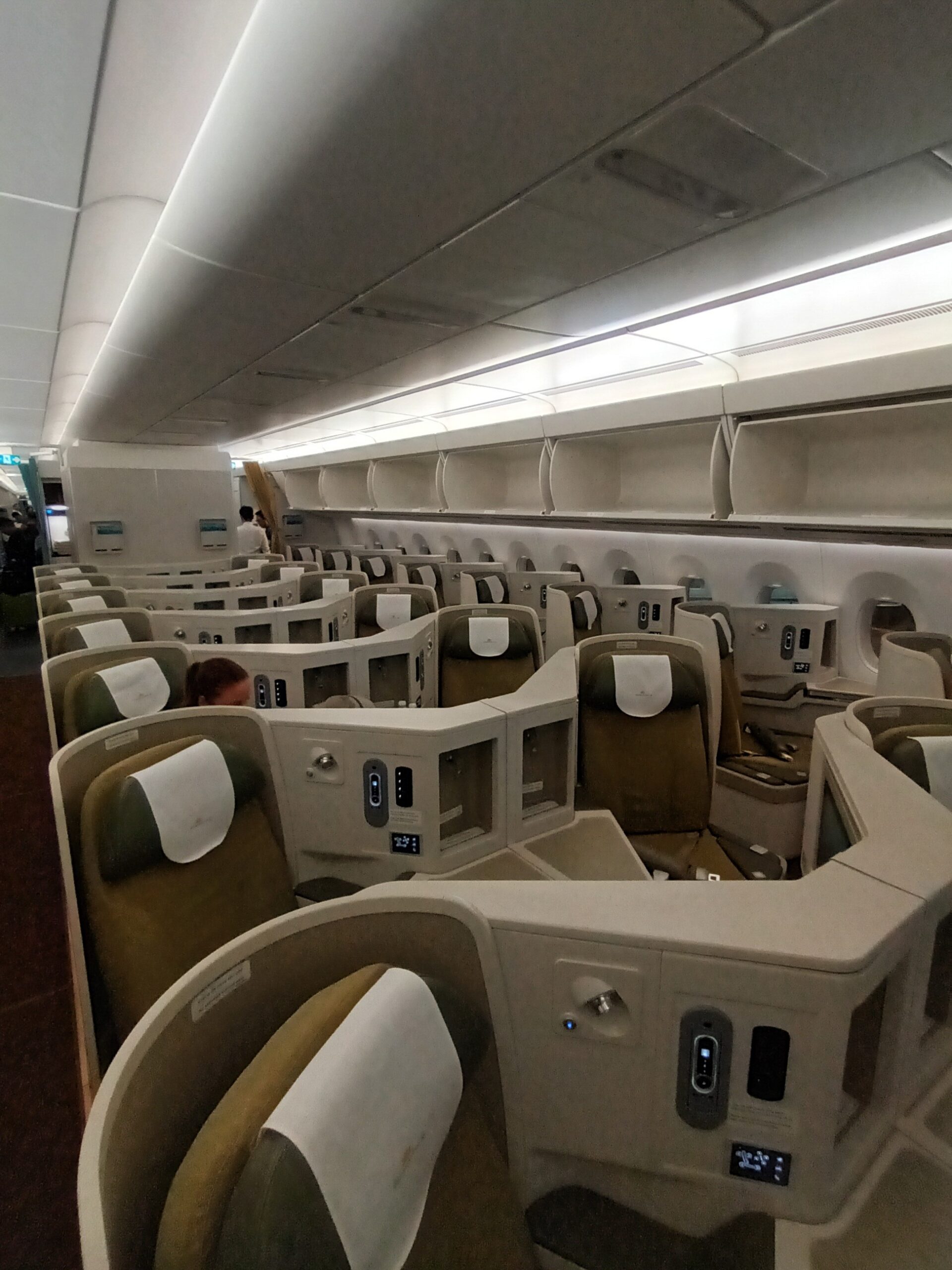
Why You Need to Maximize Airline Points in 2026
The travel world has evolved. With rising fare prices and increasingly dynamic award charts, getting maximum value from your points in 2026 requires new strategies.
What Changed?
Airlines now use dynamic pricing for many redemptions. Premium cabin space is more limited. Award searches are hidden behind partner airline systems. Transferable credit card points are now the most powerful loyalty currency available. Stopovers and multi-city “sweet spots” still exist — but only if you know where to look.
Travelers who understand these changes can save $3,000–$10,000 per year on premium travel.
Step 1: Choose One Core Airline Program and Alliance
Most travelers spread points across too many loyalty programs. This weakens your ability to redeem for meaningful flights and slows down your path to elite status.
Why One Program Works Better
Concentrating your earning in one core program delivers faster status accumulation, a larger usable point balance, better award availability, and far simpler partner bookings. It also makes your earning strategy easier to maintain over time.
Recommended Programs by Region (2026)
| Region | Best Program | Alliance |
|---|---|---|
| North America | Aeroplan | Star Alliance |
| Europe | Avios | Oneworld |
| South East Asia | Asia Miles or KrisFlyer | Oneworld / Star Alliance |
| Global Travelers | Avios + Qatar Airways | Oneworld |
Step 2: Build Points Through Transferable Credit Cards
In 2026, points earned from credit cards outweigh points earned through flying by a significant margin. This is the fastest path to accumulating free flights — whether you travel frequently or not.
Best Transferable Points Programs
The leading transferable points currencies include American Express Membership Rewards, Aeroplan co-branded credit cards, Chase Ultimate Rewards, Capital One Miles, Citi ThankYou Points, and HSBC Rewards (available across Asia and Europe).
Why Transferable Points Are King
Transferable points give you flexibility between multiple airlines, protect you from single-program devaluations, and can be moved when transfer bonuses of 20–60% are available. They are also ideal for last-minute flight redemptions. These points give you control over when and where to redeem — which is a significant strategic advantage.
Step 3: Search Partner Airline Availability (The #1 Secret)
Airlines often hide the best award seats — on purpose. One of the most effective ways to maximize airline points in 2026 is to search through partner airline websites rather than relying on a single program’s own search tool.
Best Tools to Search for Award Seats
Seat.Aero offers fast availability scanning across multiple programs simultaneously. AirCanada.com is the best entry point for Star Alliance availability. BA.com is the preferred tool for Oneworld searches. AirFrance.com covers SkyTeam options well. Point.me simplifies global award searches, and ExpertFlyer allows seat alerts for premium cabin availability.
Example: A Singapore Airlines business-class flight can be significantly cheaper booked with Aeroplan miles than with KrisFlyer miles — despite being the exact same plane. The program you book through matters as much as the flight itself.
Step 4: Prioritize Redemptions With the Highest Value
Not all redemptions are equal. Some give you ten times more value than others. To truly maximize airline points in 2026, understanding how to calculate value per point is a foundational skill every loyalty traveler needs.
How to Calculate Value Per Point
The formula is straightforward: Cash price ÷ points required = value in cents per point.
Example: A $2,200 business class ticket redeemed for 70,000 points equals 3.1¢ per point — an excellent redemption by any standard.
Best Sweet Spots in 2026
Europe in business class can be achieved for 60,000–70,000 points through the right program. Qatar Airways Qsuites via Avios offers one of the best comfort-to-value ratios in premium travel. KLM and Air France Promo Rewards offer up to 50% discounts on select routes. Short-haul South East Asia redemptions with Avios start at just 4,000–10,000 points. Aeroplan stopovers add a second city for only 5,000 additional points.
Redemptions to Avoid
Merchandise, gift cards, hotels booked with airline points, domestic flights during peak season, and “points + cash” cash-out options all deliver poor value. These options waste hard-earned points that could otherwise unlock a premium cabin redemption.
Step 5: Use Stopovers, Open-Jaws, and Multi-City Rewards
This is where significant value is unlocked. Stopovers, open-jaw routing, and multi-city awards allow you to visit multiple destinations for little to no additional points cost.
Best Stopover Options
Aeroplan Stopover: Add a second city for just 5,000 points. Avios Multi-Partner Awards: Combine British Airways, Qatar Airways, and JAL for complex international itineraries. Asia Miles Oneworld Awards: Offer very efficient pricing for long-haul redemptions across the alliance.
Example Stopover Itinerary
Bangkok → Tokyo (stopover) → Vancouver. Adding Tokyo as a stopover costs just 5,000 additional Aeroplan points — and saves $800–$1,500 compared to booking those segments individually.
Step 6: Book Early — or Very Late
Award availability follows predictable cycles. Timing your search correctly can dramatically increase the chances of securing premium seats.
Best Times to Book
The strongest award availability windows are 9–12 months in advance, 2–10 days before departure, and in the first week of each month when new inventory is often released.
Best Timing Per Cabin
Economy: Search 2–8 months out. Business: Book 10–12 months in advance, or within one week of departure. First Class: Often only released 4–10 days before departure. Timing your search correctly — especially for first and business class — can be the difference between securing your ideal redemption and missing it entirely.
Step 7: Track Pricing With Alerts
Dynamic pricing means award costs change constantly. The best way to secure premium seats at favorable prices is to set alerts and act immediately when availability opens.
The most effective tools for award alerts are Seats.Aero Alerts, ExpertFlyer Seat Alerts, and Point.me daily tracking. When a premium cabin seat opens, speed matters — some seats disappear within minutes of becoming available.
Step 8: Earn Extra Points Through Everyday Spending
You do not need to fly frequently to earn free flights. Everyday spending, when structured correctly, can generate substantial point balances year-round.
Key earning strategies include airline dining programs, hotel loyalty partnerships, shopping portals, subscription service bonuses, ride-share loyalty integrations, credit card category multipliers, and seasonal card promotions. A traveler who never flies can still earn 100,000–200,000 points per year through these channels alone.
Step 9: Do Not Hoard Points Too Long
Points lose value over time. Airlines devalue their programs, point balances can expire, and peak-season pricing reduces your options. Redeeming strategically — rather than accumulating indefinitely — is a core principle of effective loyalty travel.
Redeem when: you find a strong partner redemption, a transfer bonus is available, or your preferred airline opens award seats. Avoid hoarding because: airlines can devalue at any time, points can expire without activity, flexibility decreases as balances age, and prices increase during peak seasons.
Step 10: Work With a Loyalty Educator (If You Want Faster Results)
Many travelers — particularly those 55+ approaching retirement and frequent business travelers — struggle with program complexity, partner airline rules, stopover logic, availability searches, transfer timing, and dynamic pricing. These are not simple systems, and the stakes of getting them wrong are real.
Working with a loyalty mentor or travel educator can help you build a personalized loyalty plan, maximize every redemption, monitor award space effectively, avoid expensive structural mistakes, access elite travel benefits, and build a long-term strategy tailored specifically to your travel patterns.
A single well-structured redemption can save more than the cost of professional guidance — making education one of the highest-return investments available to a serious loyalty traveler.
Your 2026 Airline Loyalty Strategy: The Blueprint
Here is a summary of your complete framework for free flights in 2026:
✔ Choose one core airline program and concentrate your earning
✔ Use transferable credit card points as your primary currency
✔ Search partner airlines for hidden award availability
✔ Focus on high-value sweet spots and avoid low-return redemptions
✔ Use stopovers and multi-city itineraries to multiply value
✔ Book 9–12 months early or within 10 days of departure
✔ Track award space with alerts and act fast
✔ Earn points daily through everyday spending — not just travel
✔ Avoid hoarding; redeem strategically and regularly
✔ Get professional guidance when complexity outpaces your confidence
This is the exact system that allows travelers to fly business class for economy prices — and economy for nearly free.
Work With Le Travelogist
Ready to Maximize Your Points for 2026?
Loyalty Strategy Blueprint by Le Travelogist
A step-by-step, human-centered system to help you earn more points, redeem for maximum value, and book flights with confidence — built around your travel goals.
Frequently Asked Questions
Q: Which airline loyalty program is best for maximizing points in 2026?
For North American travelers, Aeroplan remains one of the strongest programs in 2026 — offering Star Alliance coverage, no fuel surcharges on most partner awards, and a robust stopover policy. European-based travelers often find Avios more useful, particularly for Oneworld and Qatar Airways redemptions. The best program always depends on where you live, where you fly, and which credit cards you hold.
Q: How many points do I need to fly business class internationally?
For a roundtrip transatlantic business class redemption, expect to need 60,000–100,000 points depending on the program and carrier. Europe in business class via Aeroplan typically costs 85,000–95,000 miles roundtrip. Japan and Southeast Asia can start at 75,000–90,000 miles. The key is identifying programs with fixed or zone-based pricing rather than fully dynamic pricing — these tend to offer significantly better value for premium cabin travelers.
Q: Can I earn enough points without flying frequently?
Yes — and this is one of the most underappreciated truths in loyalty travel. Through transferable credit card spending, dining programs, shopping portals, hotel partnerships, and subscription bonuses, a traveler who rarely flies can realistically earn 100,000–200,000 points per year. Frequent flying is no longer a prerequisite for premium redemptions.
Q: What is a Points Feasibility Assessment?
A Points Feasibility Assessment with Le Travelogist is a structured expert review of your current point balances, travel goals, available award space, and transfer options. Rather than attempting complex strategy decisions alone, you receive a clear and personalized analysis of what your points can realistically achieve — before you commit to any transfer or booking.
The Bottom Line
To maximize airline points in 2026 is not about luck — it is about system. Choosing the right program, building points through everyday spending, searching partner availability, timing your bookings strategically, and understanding which redemptions actually deliver value: these are the skills that separate travelers who fly premium for nearly free from those who wonder why their points never seem to go far enough.
If you are unsure what your points can realistically achieve, a Points Feasibility Assessment can evaluate your balances, travel goals, flexibility, and available redemption opportunities — before you commit to a strategy. Contact Le Travelogist to schedule a Discovery Call or learn more about personalized loyalty mentoring.